India produces more than 500 million tonnes of agricultural residue every year, yet a large portion of this valuable biomass is either burned in open fields or left to rot. What was once considered farm waste is now emerging as a powerful renewable energy resource—thanks to biomass briquettes.
As India pushes toward its net-zero targets, reduces dependence on fossil fuels, and tackles severe air pollution caused by stubble burning, biomass briquettes are proving to be a game-changer. This 2026 guide explores how agricultural waste is being converted into clean, cost-effective energy—and why briquettes are at the center of this transformation.
Understanding India’s Stubble Burning Problem
What Is Stubble Burning?
Stubble burning refers to the practice of setting fire to leftover crop residue—mainly rice straw—after harvesting. Farmers often burn stubble to quickly clear fields for the next sowing season.
Why Is It a Major Issue in India?
Stubble burning is especially prevalent in Punjab, Haryana, Uttar Pradesh, and parts of Madhya Pradesh and Rajasthan. The reasons include:
- Short gap between harvesting and sowing
- High cost of residue management machinery
- Lack of profitable alternatives for crop waste
Environmental and Health Impact
The consequences are severe:
- Thick smog in Delhi-NCR and North India every winter
- Increase in PM2.5 and PM10 air pollution
- Respiratory diseases, asthma, and eye irritation
- Loss of soil nutrients and beneficial microbes
- Contribution to greenhouse gas emissions
Despite government bans and fines, stubble burning persists—highlighting the urgent need for economically viable alternatives.
Agricultural Waste: From Liability to Resource
Types of Agricultural Waste in India
India generates a wide range of biomass residues, including:
- Rice husk and straw
- Wheat straw
- Cotton stalks
- Mustard stalks
- Sugarcane bagasse
- Groundnut shells
- Sawdust and forestry waste
Earlier, these materials had limited use. Today, they are becoming valuable raw materials for energy production.
The Shift Toward Waste-to-Energy
With rising fuel costs and stricter pollution norms, industries and institutions are actively seeking clean, affordable fuel alternatives. This shift has opened the door for biomass briquettes to replace coal, firewood, and furnace oil.
What Are Biomass Briquettes?
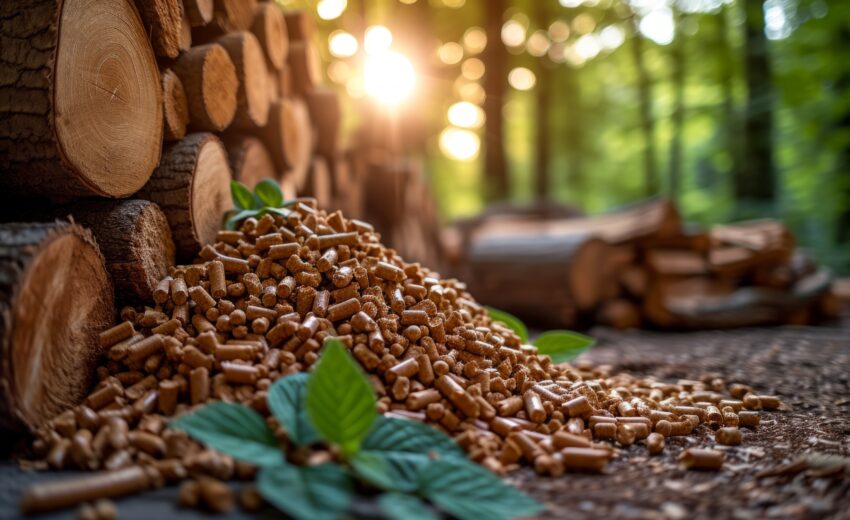
Biomass briquettes are compressed blocks of agricultural waste used as solid biofuel. They are produced by compacting dry biomass under high pressure—without chemical additives.
Key Characteristics
- High calorific value
- Low moisture content
- Uniform size and shape
- Easy to store and transport
- Clean and consistent burning
Common Briquette Raw Materials
- Crop residue (rice straw, wheat straw)
- Agro-industrial waste (bagasse, husk)
- Wood waste and sawdust
How Agricultural Waste Is Converted into Briquettes
Step-by-Step Briquette Manufacturing Process
- Collection of Agricultural Residue
Crop waste is collected directly from farms or agro-processing units. - Drying
Moisture content is reduced to improve combustion efficiency. - Grinding & Size Reduction
Raw biomass is crushed into fine particles. - High-Pressure Compression
Material is compacted into briquettes using briquetting machines. - Cooling & Packaging
Briquettes are cooled, packed, and supplied to end users.
This process converts loose, low-density waste into a high-energy, usable fuel.
Why Biomass Briquettes Are a Clean Energy Solution
1. Reduces Stubble Burning
By offering farmers a market for crop residue, briquettes eliminate the need to burn stubble in open fields.
2. Carbon-Neutral Fuel
Biomass briquettes release only the carbon absorbed by plants during growth—making them nearly carbon neutral compared to coal.
3. Low Air Pollution
- Minimal smoke
- Lower sulfur and ash content
- Helps industries comply with CPCB emission norms
4. Sustainable Waste Management
Briquettes support a circular economy, where waste is reused instead of discarded.
Economic Benefits for Farmers and Rural India
Additional Income for Farmers
Instead of burning residue, farmers can sell agricultural waste to briquette manufacturers—creating an extra revenue stream.
Rural Employment Generation
- Collection and transportation of biomass
- Briquette manufacturing units
- Supply chain and logistics
This strengthens rural economies and promotes decentralized energy production.
Industrial Uses of Biomass Briquettes in India
Biomass briquettes are widely used across industries such as:
- Textile and garment manufacturing
- Food processing units
- Brick kilns
- Paper and pulp industries
- Chemical plants
- Hotels and large kitchens
- Power generation (co-firing with coal)
Many industries have already reduced fuel costs by 20–40% by switching to briquettes.
Government Policies Supporting Briquettes (2026 Update)
The Indian government is actively promoting biomass energy through:
- National Bio-Energy Mission
- Subsidies for briquetting plants
- Support for biomass collection machinery
- Co-firing mandates in thermal power plants
- Penalties and regulations against stubble burning
These initiatives are accelerating the adoption of biomass briquettes nationwide.
Biomass Briquettes vs Traditional Fuels
| Parameter | Biomass Briquettes | Coal | Firewood |
|---|---|---|---|
| Renewable | Yes | No | Limited |
| Pollution | Low | High | Medium |
| Cost Stability | High | Volatile | Seasonal |
| Ash Content | Low | High | Medium |
| Sustainability | Excellent | Poor | Moderate |
Challenges in Biomass Briquette Adoption
While promising, some challenges remain:
- Seasonal availability of crop residue
- Logistics and transportation costs
- Awareness among small industries
- Initial setup cost for manufacturers
However, technological advancements and policy support are rapidly addressing these issues.
Future of Agricultural Waste Energy in India
By 2030, biomass briquettes are expected to play a major role in:
- Reducing coal imports
- Improving air quality in North India
- Supporting India’s renewable energy targets
- Creating a stable market for agricultural waste
With better supply chains, mechanized residue collection, and private sector participation, biomass briquettes could become mainstream fuel across industries.