Biomass Briquettes vs Coal: Which Fuel Is Better for Industrial Boilers?
Industrial boilers are the backbone of many manufacturing industries in India. From textile units and food processing plants to chemical factories and paper mills, boilers are essential for generating heat and steam. Traditionally, coal has been the most commonly used fuel for industrial boilers. However, rising environmental concerns, increasing fuel costs, and stricter pollution regulations are encouraging industries to explore cleaner alternatives.
One such sustainable alternative is biomass briquettes. These eco-friendly fuel blocks are rapidly gaining popularity among Indian industries due to their cost-effectiveness, lower emissions, and renewable nature.
In this blog, we will compare biomass briquettes vs coal and help industries understand which fuel is better for industrial boilers.
What Are Biomass Briquettes?
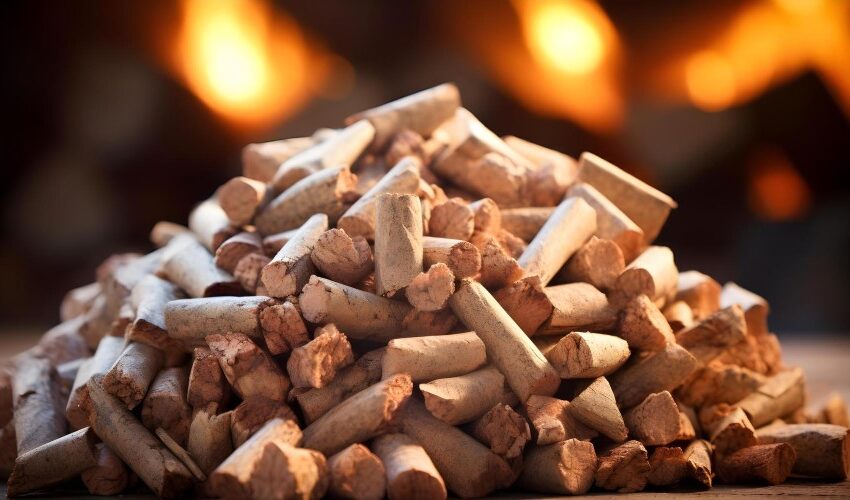
Biomass briquettes are compressed blocks made from agricultural waste and organic biomass materials such as:
- Sawdust
- Rice husk
- Groundnut shells
- Cotton stalk
- Mustard waste
- Sugarcane bagasse
- Wood chips
These materials are compressed under high pressure without using harmful chemicals, creating a solid biofuel with high calorific value.
Biomass briquettes are widely used in industrial boilers, furnaces, kilns, and thermal applications as an alternative to fossil fuels like coal.
Key Features of Biomass Briquettes
- Renewable and sustainable fuel
- Lower carbon emissions
- Uniform shape and size
- High combustion efficiency
- Easy storage and handling
- Made from agricultural waste
What Is Coal Fuel?
Coal is a fossil fuel formed from ancient plant matter buried underground for millions of years. It has been one of the primary energy sources for industries worldwide due to its high heat generation capacity.
Different types of coal used in industrial boilers include:
- Bituminous coal
- Lignite coal
- Anthracite coal
- Steam coal
Coal has traditionally been preferred because of its availability and high energy output. However, coal combustion produces large amounts of carbon emissions, ash, sulfur, and particulate matter, contributing significantly to air pollution.
Comparison Between Biomass Briquettes and Coal
Let’s compare biomass briquettes and coal based on important industrial factors.
| Factors | Biomass Briquettes | Coal |
|---|---|---|
| Source | Renewable agricultural waste | Non-renewable fossil fuel |
| Carbon Emission | Lower | Very high |
| Sulfur Content | Minimal | High |
| Ash Generation | Low | High |
| Environmental Impact | Eco-friendly | Polluting |
| Availability | Locally available | Mining dependent |
| Government Support | Strong support in India | Increasing restrictions |
| Boiler Maintenance | Lower | Higher due to ash |
| Sustainability | Sustainable | Limited resource |
From the comparison above, biomass briquettes clearly offer several long-term advantages over coal, especially for industries aiming to reduce pollution and operational costs.
Cost Comparison
Initial Fuel Cost
At first glance, coal may appear cheaper in some regions. However, the actual cost of using coal includes:
- Transportation charges
- Pollution control expenses
- Ash disposal costs
- Boiler maintenance
- Environmental compliance costs
Biomass briquettes, on the other hand, are often locally produced, reducing transportation expenses and operational complications.
Long-Term Operational Cost
Industries using biomass briquettes often experience:
- Reduced boiler cleaning frequency
- Lower ash disposal expenses
- Lower maintenance costs
- Better combustion efficiency
As environmental regulations become stricter in India, the hidden costs associated with coal continue to rise.
Stable Pricing
Coal prices frequently fluctuate due to international market dependency and mining supply issues. Biomass briquettes generally offer more stable pricing because they are produced from locally available agricultural waste.
Environmental Impact
Coal and Pollution
Coal combustion releases harmful pollutants such as:
- Carbon dioxide (CO₂)
- Sulfur dioxide (SO₂)
- Nitrogen oxides (NOx)
- Fly ash
- Particulate matter
These pollutants contribute to:
- Air pollution
- Acid rain
- Global warming
- Health hazards
Many industries using coal now face strict environmental regulations and penalties for excessive emissions.
Biomass Briquettes as a Green Fuel
Biomass briquettes are considered carbon-neutral because the carbon released during combustion is roughly equal to the carbon absorbed by plants during growth.
Environmental Benefits of Biomass Briquettes
- Lower greenhouse gas emissions
- Reduced air pollution
- Minimal sulfur content
- Less ash production
- Utilization of agricultural waste
- Reduced dependency on fossil fuels
Switching to biomass briquettes helps industries achieve sustainability goals while supporting cleaner industrial operations.