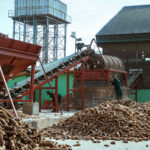

Industries across India are rapidly moving toward sustainable energy solutions as environmental concerns, fuel costs, and government regulations continue to increase. Businesses are now focusing on reducing their carbon footprint while maintaining efficient industrial operations.
One of the most effective solutions helping industries achieve these goals is biomass briquettes. These eco-friendly fuel blocks are becoming a preferred alternative to traditional fossil fuels like coal due to their sustainability, affordability, and lower environmental impact.
In this blog, we will understand how biomass briquettes help businesses achieve sustainable energy goals and why they are becoming an important part of modern industrial energy systems.
Importance of Sustainable Energy in Modern Industries
Sustainable energy has become a major priority for industries worldwide. Manufacturing units, factories, and processing plants require large amounts of fuel for heating, steam generation, and thermal operations. Traditionally, industries have depended heavily on coal and other fossil fuels.
However, excessive use of fossil fuels creates several challenges such as:
- High carbon emissions
- Environmental pollution
- Rising fuel costs
- Resource depletion
- Strict pollution control regulations
As governments and industries focus more on renewable energy and sustainability, businesses are searching for cleaner industrial fuel alternatives.
Adopting sustainable energy solutions not only helps the environment but also improves long-term operational efficiency and business reputation.
What Are Biomass Briquettes?
Biomass briquettes are compressed solid fuel blocks made from agricultural waste and organic biomass materials. Common raw materials used include:
- Sawdust
- Rice husk
- Groundnut shells
- Cotton stalk
- Sugarcane bagasse
- Wood waste
- Mustard waste
These materials are compressed under high pressure to create dense and efficient fuel briquettes without harmful chemicals.
Biomass briquettes are widely used as industrial fuel in:
- Boilers
- Furnaces
- Kilns
- Steam generation systems
- Thermal heating applications
Because they are made from renewable natural materials, biomass briquettes are considered a sustainable and eco-friendly fuel source.
How Biomass Briquettes Support Sustainability
Biomass briquettes contribute to sustainable industrial operations in several ways. They help industries reduce pollution, utilize waste effectively, and decrease dependence on fossil fuels.
Reduction in Fossil Fuel Dependency
One of the biggest sustainability advantages of biomass briquettes is reducing dependence on fossil fuels such as coal and furnace oil.
Coal is a non-renewable energy source that contributes heavily to environmental pollution and greenhouse gas emissions. As fossil fuel reserves continue to decline, industries are looking for renewable alternatives that can support long-term energy requirements.
Biomass briquettes provide a reliable substitute for conventional industrial fuel.
Benefits of Reducing Fossil Fuel Usage
- Lower environmental impact
- Reduced dependency on imported fuel
- Improved energy security
- Long-term fuel availability
- Better compliance with environmental standards
Industries that switch to biomass fuel can reduce their exposure to fluctuating coal prices and supply chain challenges.
Lower Carbon Footprint
Reducing carbon emissions is a major goal for modern businesses and industries.
Coal combustion releases large amounts of carbon dioxide, sulfur dioxide, and harmful particulate matter into the atmosphere. Biomass briquettes, however, produce significantly lower emissions.
Biomass fuel is often considered carbon-neutral because the carbon released during combustion is balanced by the carbon absorbed by plants during growth.
Environmental Benefits
- Reduced greenhouse gas emissions
- Lower sulfur emissions
- Less smoke and air pollution
- Improved industrial air quality
- Cleaner production processes
By using biomass briquettes, businesses can significantly reduce their carbon footprint and support global sustainability initiatives.
Recycling Agricultural Waste
India generates massive quantities of agricultural waste every year. In many cases, this waste is burned openly in fields, causing severe air pollution and environmental damage.
Biomass briquettes help solve this problem by converting agricultural residues into valuable industrial fuel.
Agricultural Waste Used in Biomass Fuel
- Rice husk
- Cotton waste
- Groundnut shells
- Crop residue
- Sugarcane waste
- Sawdust
This waste-to-energy process supports sustainable waste management while creating an eco-friendly fuel source for industries.
Benefits of Agricultural Waste Recycling
- Reduces stubble burning
- Minimizes waste disposal issues
- Supports rural economy
- Creates additional income opportunities for farmers
- Promotes circular economy practices
Using biomass briquettes helps industries contribute positively to both environmental and social sustainability.
Renewable Energy Source
Unlike fossil fuels, biomass briquettes are made from renewable natural materials that can be continuously regenerated.
Agricultural and forestry waste is produced every year, ensuring a steady supply of raw material for biomass fuel production.
Advantages of Renewable Biomass Fuel
- Sustainable long-term energy source
- Readily available raw materials
- Supports renewable energy adoption
- Reduces pressure on natural fossil fuel reserves
As renewable energy becomes more important globally, biomass briquettes are playing a vital role in sustainable industrial energy systems.
Cleaner Industrial Operations
Industries are under increasing pressure to maintain cleaner and more environmentally responsible operations.
Biomass briquettes produce lower ash and fewer harmful emissions compared to coal, helping industries maintain cleaner boiler systems and production environments.
Operational Advantages
- Lower ash generation
- Reduced boiler fouling
- Cleaner combustion process
- Lower maintenance requirements
- Improved workplace cleanliness
Cleaner operations also help industries comply with pollution control board regulations more effectively.
Economic Advantages for Businesses
Apart from environmental benefits, biomass briquettes also provide significant economic advantages for industries.
Many businesses are switching to biomass fuel to reduce operational costs while improving sustainability performance.
Cost Benefits of Biomass Briquettes
- Lower fuel expenses
- Reduced boiler maintenance costs
- Lower ash handling expenses
- Stable fuel pricing
- Better energy efficiency
Since biomass briquettes are often produced locally, industries can also reduce transportation and logistics costs compared to imported coal.
Businesses that adopt sustainable energy practices often gain a competitive advantage and improve their brand image among environmentally conscious customers and partners.
Government Policies Supporting Biomass Energy in India
The Indian government is actively promoting renewable energy and cleaner industrial fuel alternatives.
Several policies and initiatives support biomass energy adoption across industries.
Government Support for Biomass Fuel
Renewable Energy Promotion
India encourages industries to adopt renewable energy sources through various sustainability initiatives.
Pollution Control Regulations
Industries using coal face stricter environmental regulations and emission standards.
Biomass Energy Programs
Government programs support biomass-based energy generation and industrial fuel applications.
Agricultural Waste Management
Biomass briquette production helps address agricultural residue management challenges.
Carbon Reduction Goals
India’s clean energy targets encourage industries to shift toward eco-friendly fuel solutions.
Government support is making biomass briquettes an increasingly attractive option for industrial businesses.
Future of Biomass Briquettes in Industrial Energy
The future of biomass briquettes in India looks highly promising as industries continue to move toward sustainable and renewable energy solutions.
Several factors are driving the growth of biomass fuel adoption:
- Increasing environmental awareness
- Rising coal prices
- Government sustainability initiatives
- Demand for cleaner industrial operations
- Growth in renewable energy sector
- Carbon emission reduction goals
Modern industries are now prioritizing green manufacturing and sustainable energy management, making biomass briquettes an important part of the future industrial energy landscape.
As technology improves, biomass fuel production and combustion efficiency are also expected to become more advanced and cost-effective.